Find Out What's Happening Locally In Our Albany NY News Roundup
From new business openings, to exciting updates about events, to major community announcements, our Albany NY news roundup has you covered. Check out what's going on in the city and Capital Region!
Art on Lark Returns To Albany This June
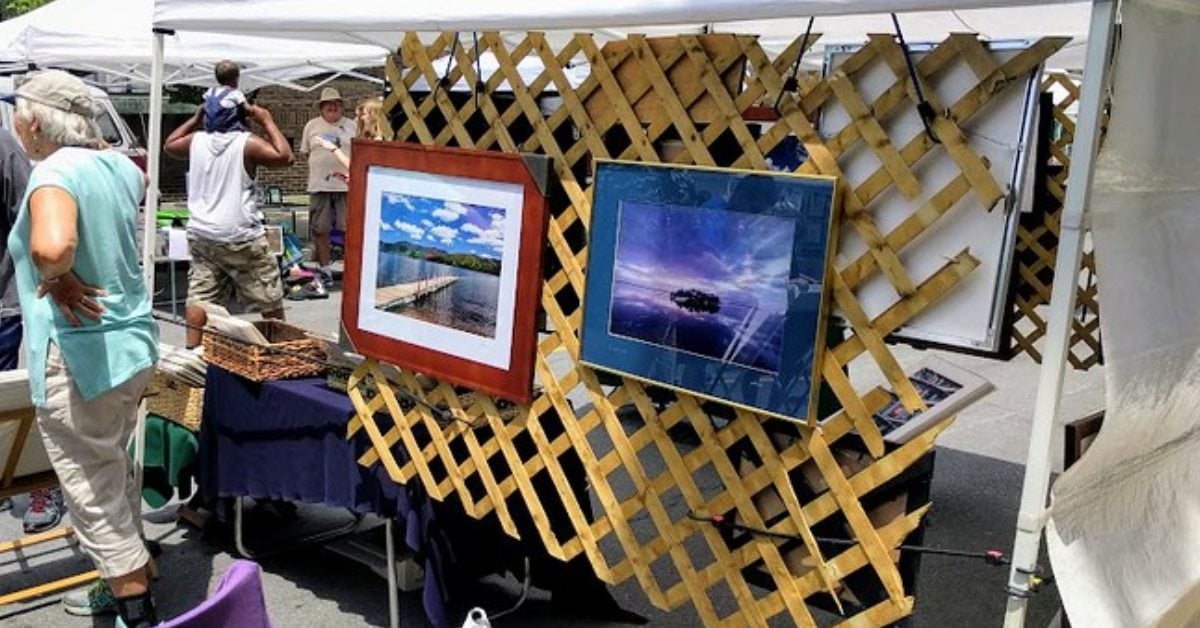
An adored Albany tradition is making its comeback this summer as Art on Lark returns June 6. The street festival, which was last held in 2024, is set to bring energy back to Lark Street after a pause in large-scale events.
The revival comes under new leadership from the Lark Street Business Improvement District, along with a partnership with Metroland. Organizers say the return signals a fresh chapter for the corridor and its role in the city’s cultural scene.
Art on Lark will once again transform the street into a vibrant hub filled with visual artists, craft vendors, live music, food, and interactive community activities. The event is expected to draw thousands of visitors to downtown Albany.
The festival will run from 11 a.m. to 5 p.m., with Lark Street closed to traffic between Madison Avenue and Washington Avenue. The event will be held rain or shine, continuing its tradition as a can’t-miss early summer gathering.
Source: https://www.news10.com/community/art-on-lark-to-return-to-albany-following-hiatus/
$1 Summer Movies Return to Regal Theaters Across the Region

Summer break is almost here, and Regal Cinemas is bringing back a budget-friendly tradition for families across the Capital Region. Through the Summer Movie Express program, select family-friendly films will be shown for just $1 per ticket on weekday mornings throughout the summer.
For Albany-area moviegoers, Regal Crossgates is among the participating theaters. Nearby locations will also offer the discounted screenings beginning June 1.
Movies will play Monday through Thursday at 11 a.m., with a different lineup featured each week through mid-August. This year's schedule includes favorites such as Sing, Kung Fu Panda 4, The Wild Robot, Sonic the Hedgehog 3, Paddington in Peru, and Despicable Me 4.
The annual program has been a Regal tradition since 1991 and supports the Boys & Girls Clubs of America, with a portion of ticket sales benefiting the organization. Families can also save on concessions with discounted snack packs and Dippin' Dots offers available during the promotion.
Advance tickets are on sale now through Regal's website, mobile app, and participating theater box offices. For families looking for affordable summer activities, the return of $1 movies is welcome news.
Nature Bus Returns for Another Season of Free Outdoor Adventures
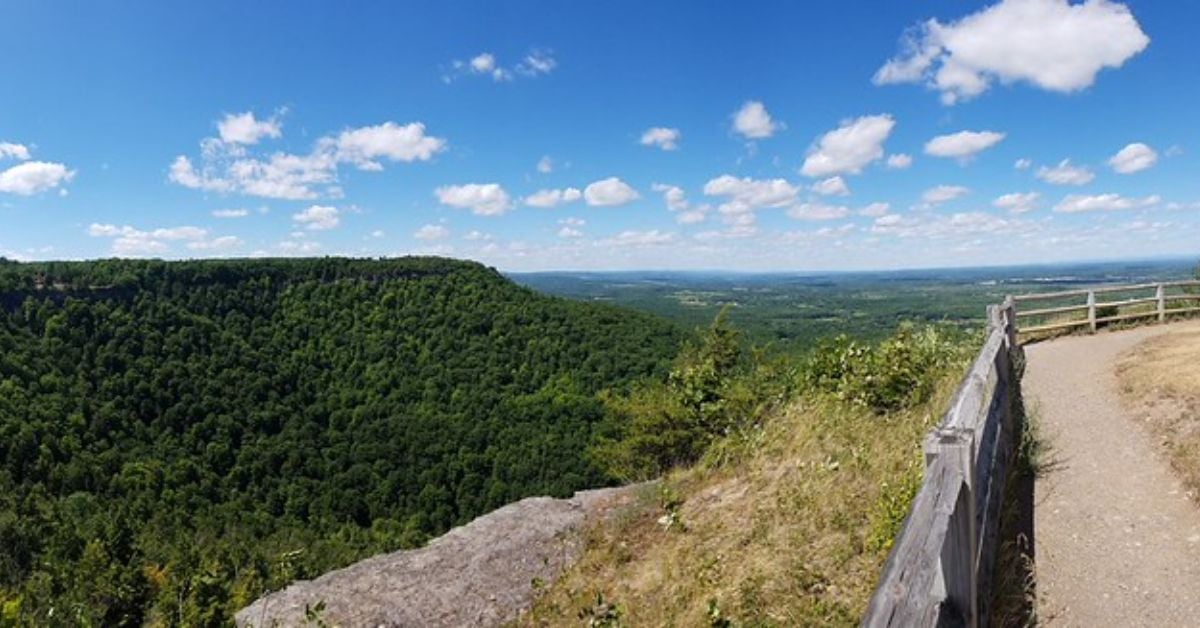
Getting to some of the Capital Region's favorite outdoor destinations is about to get easier. The Nature Bus is back for its sixth season, offering free Saturday transportation to parks, preserves, and nature centers from May 30 through October 10.
The popular program is a partnership between the Mohawk Hudson Land Conservancy and CDTA. This year, riders can visit destinations including Thacher State Park, Five Rivers Environmental Education Center, Tivoli Lake Preserve and Farm, the Albany Pine Bush Preserve's Six Mile Waterworks Park, and other scenic spots throughout the region.
The Nature Bus will operate on 20 Saturdays this season, with two routes, the Beaver Line and Warbler Line, alternating destinations each weekend. Visitors can also take part in free educational programs, guided hikes, wildlife activities, arts and crafts, and other outdoor experiences offered by partner organizations.
The season kicks off May 30 with special activities including a Learn to Fish Clinic at Six Mile Waterworks and birding programs celebrating Black Birders Week at Tivoli Lake Preserve and Five Rivers. Additional family-friendly programs will take place throughout the season.
Looking ahead, outdoor enthusiasts can mark their calendars for Get Outside & Get Together Day on June 13 at Five Rivers Environmental Education Center. The free Nature Bus service continues to make it easier for residents and visitors alike to explore the natural beauty of the Capital Region.
Find things to do in the Albany area >>