Driveway & Parking Lot Paving in Albany, NY: A Property Owner's Guide
From urban residential driveways in historic neighborhoods to busy office complexes and high-traffic municipal lots, pavement in the Capital Region can take a serious beating. Albany’s unique mix of traffic, intense freeze/thaw cycles, and heavy winter precipitation means your asphalt needs to be built to last.
Whether you’re a homeowner looking to protect your foundation and curb appeal, or a commercial property manager trying to maintain a parking lot that is both safe and looks great, handling an asphalt project doesn’t need to be a major hassle.
Here’s what you need to know about asphalt paving, seasonal timing, and choosing the Capital Region contractor for the job.
Why Paving & Maintenance Is Important in the Albany Area
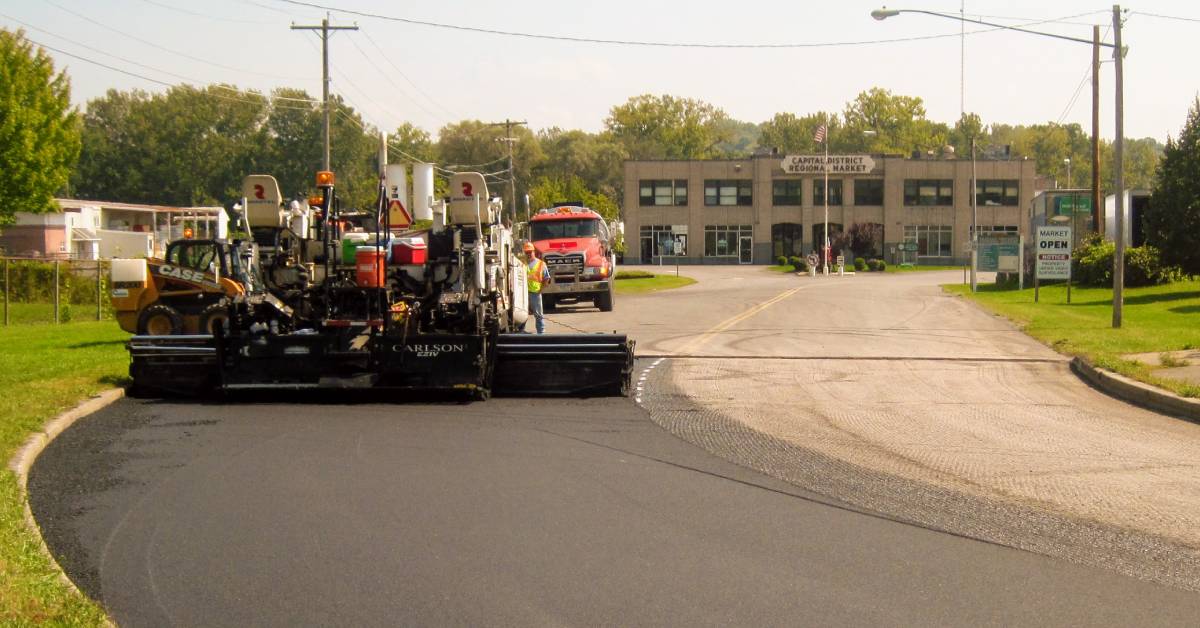
Neglecting your asphalt leads to costly structural issues down the road - more so than if you had maintained it properly to begin with. Timely paving, resurfacing, and repair offer clutch perks:
- Prevent Water & Foundation Damage: Improper grading causes water to pool near foundations or run straight into basements or garages.
- Reduce Liability & Safety Risks: Potholes, cracks, and uneven surfaces create tripping hazards and risk vehicle damage.
- Enhance Curb Appeal & Property Value: Gorgeous, deep-black asphalt instantly elevates the visual appeal of a business or home.
- Protect Vehicles: Eliminating rough, crumbling pavement minimizes wear and tear on tires and suspension systems.
Find Your Local Paving Experts
Perfect Pave
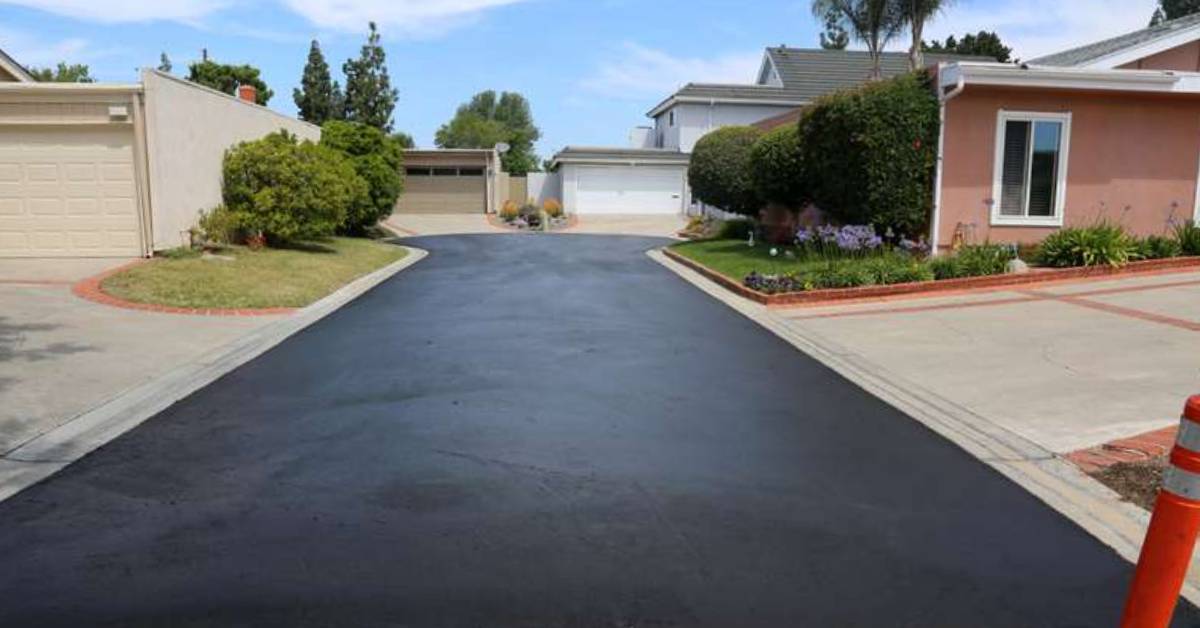
Perfect Pave, based in the Capital Region, is a prime choice for residential and commercial projects across the Capital Region. They specialize in everything from small residential driveways to massive commercial parking lots. Their team handles every project quickly, effectively, and with a sharp attention to detail.
Their team guarantees a no-pressure, straightforward process with no hidden fees, abandoned jobs, pushy sales tactics, or messy sites left behind. You’ll love their transparent approach to business, and the long-lasting results you’ll see after the job is complete. Perfect Pave serves Albany, Latham, Watervliet, Cohoes, and surrounding areas.
Asphalt Industries
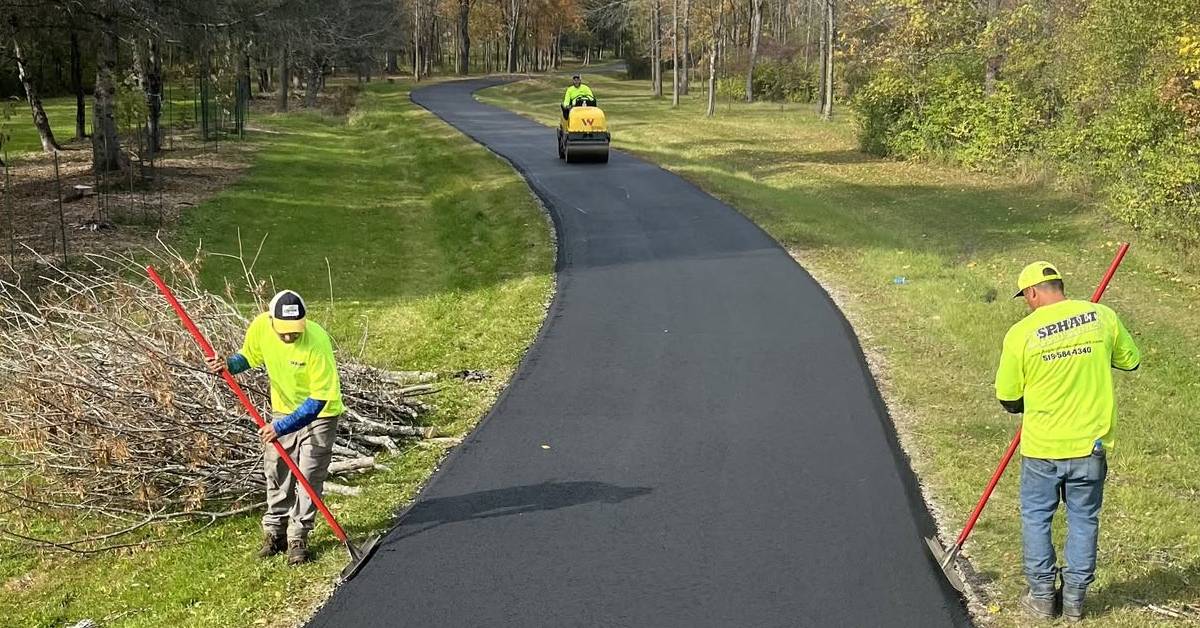
Asphalt Industries, based in Saratoga Springs and Wilton, brings extensive experience to major paving assignments. Operating since 2001, this family-owned business hones in on the heavy-duty projects, focusing on proper excavated bases, two-course hot-mix asphalt, commercial-grade milling, and advanced drainage solutions. They do residential jobs as well as commercial.
The Best Time of Year to Pave in Albany
Because asphalt requires warm temperatures and dry ground, paving season in the Albany area and Upstate New York tends to run from late spring through early fall.
Summer/Early Fall (Prime Time): Late June through September is an ideal window for paving in the Capital Region.
Spring: Once the ground has completely thawed and dried out from winter runoff, you’re good to go.
Winter: Can asphalt be installed in cold weather? It’s generally to be avoided in Upstate NY. When temps drop below 50 degrees F. the hot-mix asphalt cools too quickly, which can lead to premature cracking.
Frequently Asked Questions (FAQs) About Paving
FAQ: Paving Basics & Lifespan
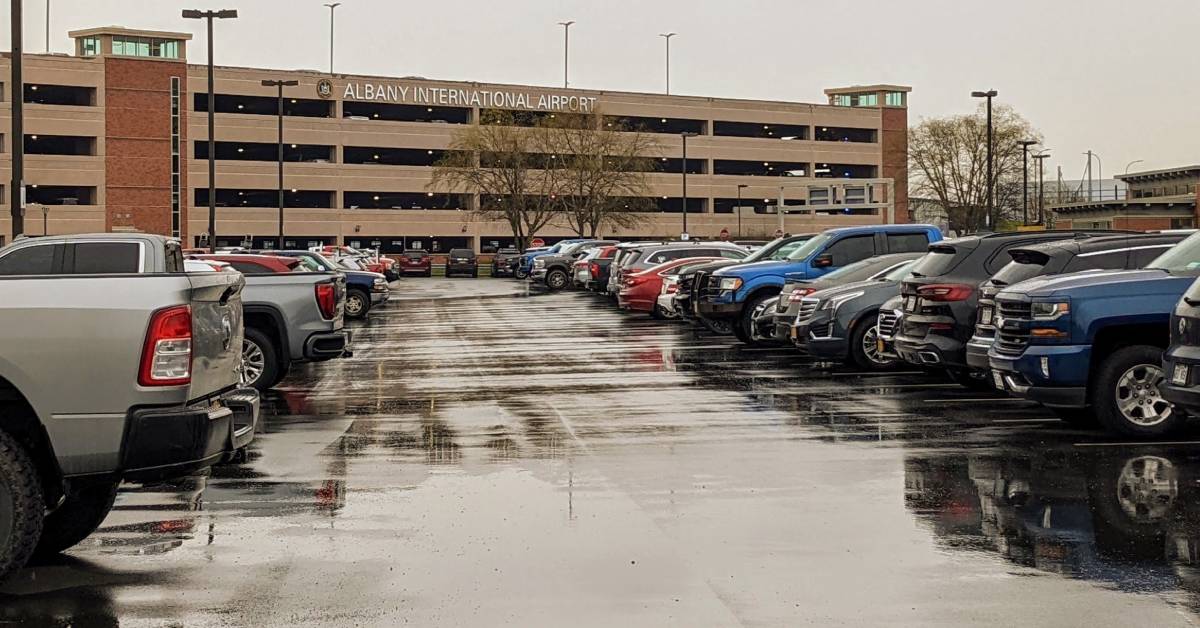
How long does an asphalt driveway last?
A professionally installed asphalt driveway with a properly compacted aggregate base lasts 15 to 30 years, depending on weather, traffic, and maintenance.
Why asphalt and not concrete?
While concrete can last 10 or so years longer than asphalt in certain climates, asphalt is significantly better suited for Albany's climate. Its flexibility allows it to withstand those heavy freeze/thaw cycles, without spalling or cracking as easily as concrete. Asphalt can also handle rock salt and chemical deicers far better.
How long do I need to stay off newly paved asphalt?
You can walk on it after 24 hours, but vehicles need to be kept off for 48 to 72 hours.
What causes cracks and sinking areas in pavement?
Water can get underneath the pavement, wash away the support below it, or freeze and expand during the winter. Over time, this can cause the pavement to crack, sink, or cave in.
FAQ: Resurfacing, Milling & Reclaiming
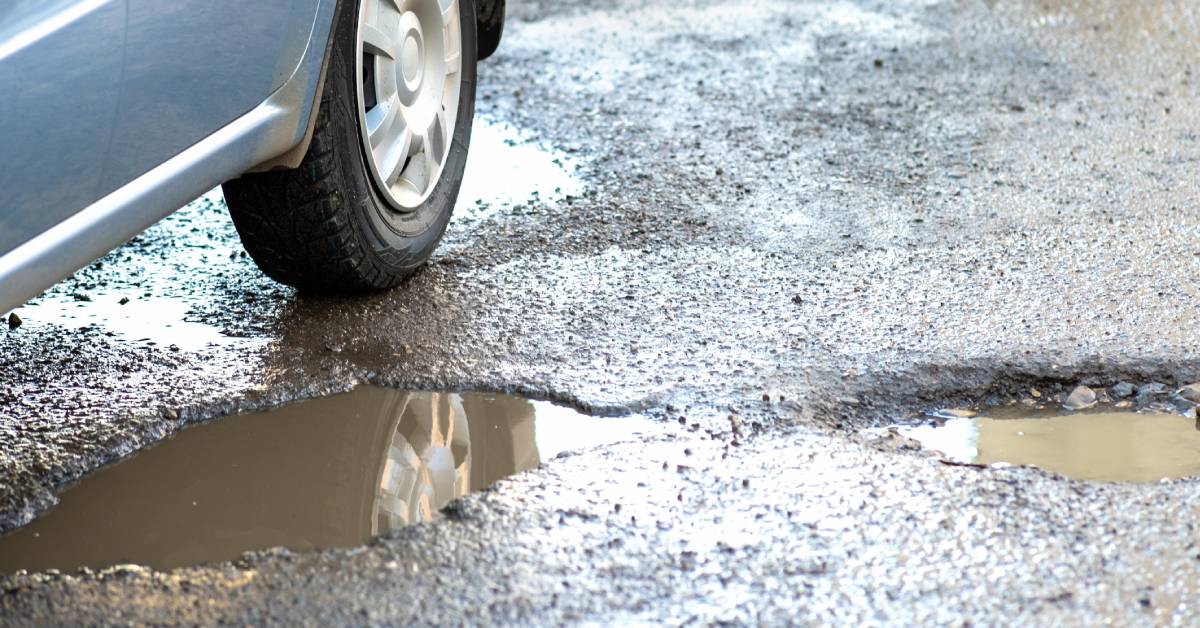
How do I know if I need a simple repair or a full replacement?
If you're just looking at minor surface cracks or small potholes, but the underlying foundation is stable, resurfacing or sealing is usually sufficient. If more than 25-30% of the surface has cracking or the foundation is sinking, a full excavation and repaving will be necessary.
What's the difference between asphalt milling and asphalt reclaiming?
Asphalt milling uses specialized equipment to remove only the worn or damaged top layer of asphalt, while leaving the base intact. Asphalt reclaiming is more extensive, and involves pulverizing the existing asphalt and the underlying base materials, blending them together, and reusing them to create a strong, stable foundation for a new pavement surface.
FAQ: Commercial Parking Lots & Maintenance
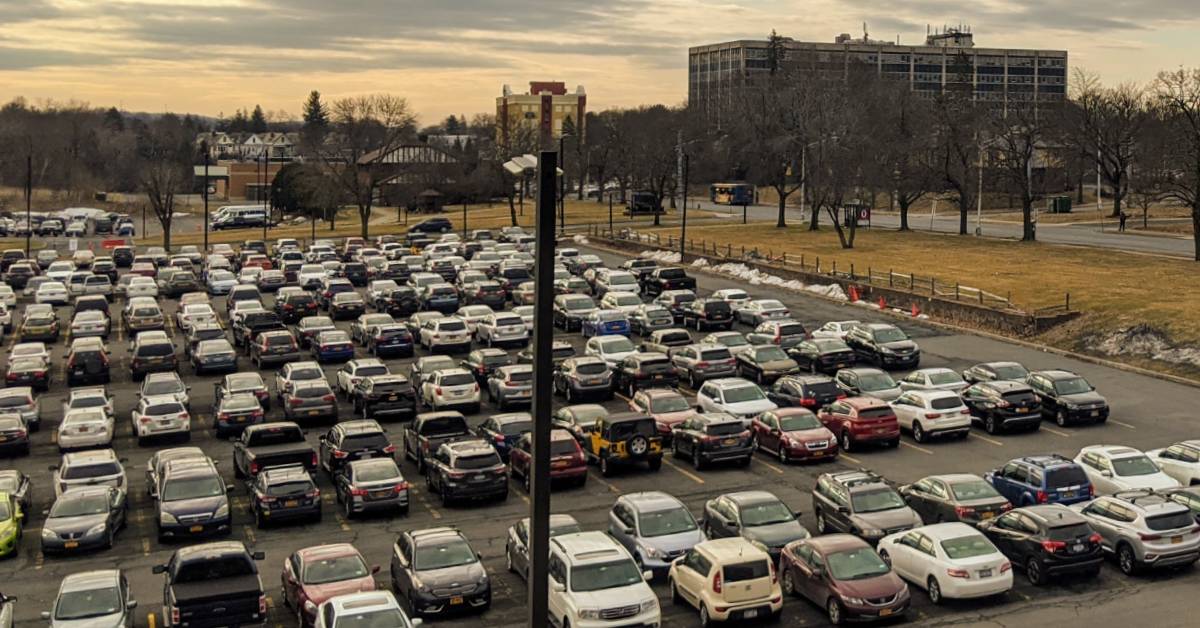
How often should a commercial parking lot be repaved?
High-traffic commercial lots, like for a grocery store or shopping plaza, typically require resurfacing every 10 to 15 years. A low-traffic lot, like for a small professional office, should be resurfaced or repaved every 20 to 25 years, maybe 30.
How can I extend the life of a commercial parking lot?
To maximize lifespan, property owners should schedule regular surface inspections, clear drainage paths, repair small cracks as soon as they're noticed, and apply professional sealcoating every 2 to 3 years.
What is sealcoating, and is it really necessary?
Sealcoating applies a protective liquid membrane over asphalt to protect it from harsh UV rays, rain, automotive oils, and winter salt. Yep, it's necessary! It's like a water-resistant sunblock that provides the asphalt binder from drying out and cracking.
FAQ: Drainage
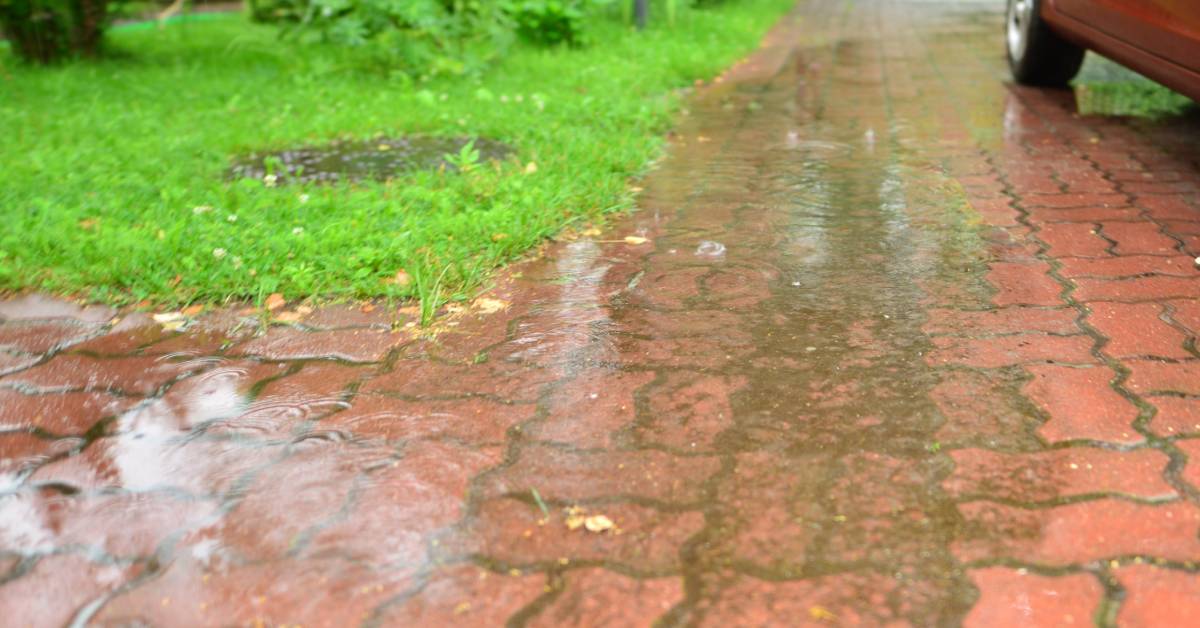
Why is water pooling on my driveway or parking lot?
Water pools when the pavement doesn't slope enough for water to drain away, or the ground beneath the asphalt has settled over time, creating low spots. It can also happen when surrounding grass or mulch coming up against the edges of the pavement is trapping the runoff.
Can drainage problems be fixed without replacing the entire surface?
In many cases, yes. If the drainage problem is minor, it may be able to be fixed by reshaping a small section of the pavement, improving drainage around the area, or by adding a drain. A full replacement is usually only needed if the problem is widespread, or if the pavement is badly damaged.
Find landscaping and lawn maintenance companies >>