The Uninvited Guests of Albany Summers: 3 Pests Eyeing Your Home Right Now
While you're out exploring all the Albany area hotspots this summer - or maybe even at other times of the year - your home might be under a silent attack.
Because Albany features a unique mix of gorgeous, historic housing combined with a heavily wooded, often damp climate, it creates specific conditions ideal for certain pests. Older Victorians and classic brownstones in particular can offer endless tiny gaps and aging wood that proves irresistible for bugs and rodents.
Leaving a pest problem unchecked in hopes they vacate eventually while you're out enjoying your vacation or life can be a dangerous game. We're pulling back the curtain on three of the biggest pests to look out for (with a couple of bonus mentions) in our area, why they need to be removed from the home, and experts to call.
The Big Three: Albany's Prime Summer Squatters
1) Mice: The Rapidly Multiplying Rodents
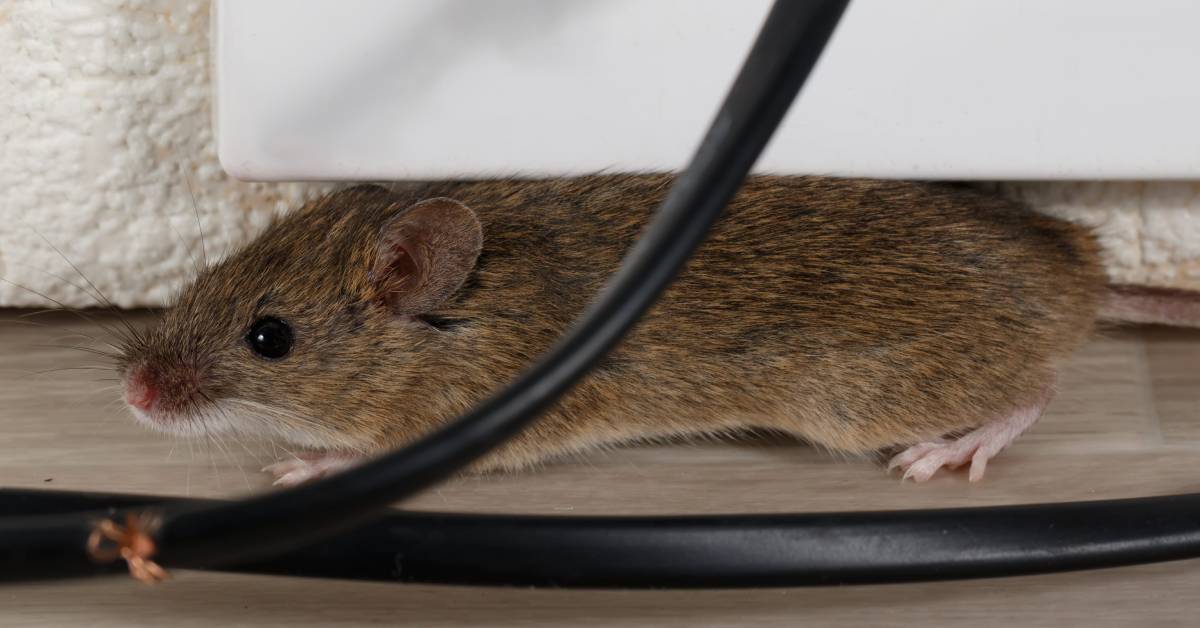
The Quick Details: Mice are a year-round problem in the Albany area/Upstate New York, but can be troublesome in both summer and winter specifically; just as they might come inside from the cold, they'll seek ways in due to heat waves or droughts. They may not be noticed right away in the summertime, as the human occupants are spending time outdoors, but they could be quietly building nests and preparing for winter. Mice are usually more active at night. They cause problems by gnawing on wiring causing fire hazards, and can make their way through drywall, baseboards, insulation, and more. They can carry diseases like Salmonella, Leptospirosis, and Hantavirus.
Creepy-But-True Fact: A single female mouse can produce 35 to 60 offspring in a single year, with up to 10 litters of 5 to 12 baby mice, or pups. The gestation period is only about 3 weeks, then she can mate again within 24 hours.
What to Look Out For: Small, dark droppings in garages, basements, crawl spaces, and pantries.
2) Carpenter Ants: The Master Tunnelers
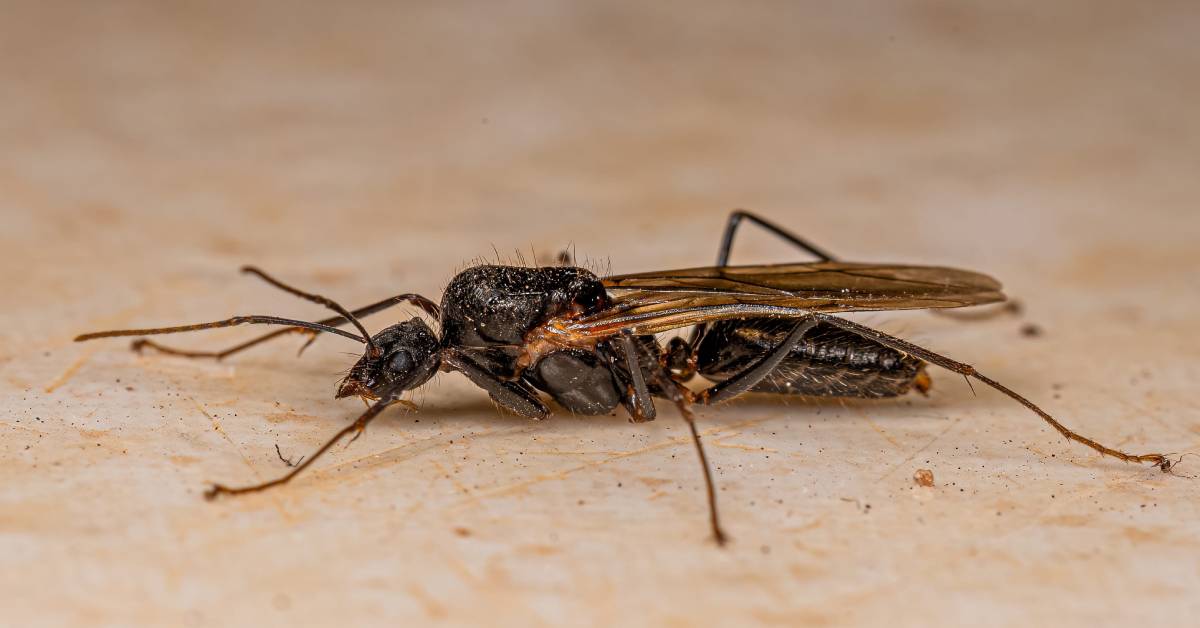
The Quick Details: Carpenter ants are more common than termites in our area, and can be mistaken for them. While termites actually eat through the wood, carpenter ants tunnel through it, hollowing out water-damaged or decaying wood to build their colonies. They're most active in the spring and summer.
Creepy-But-True Fact: A carpenter ant queen only has to mate once in her life. After she's impregnated, she can live up to 15 years, continuously laying up to 20 eggs a day to build a colony of over 15,000.
What to Look Out For: Large, reddish-black winged ants indoors, warped flooring, or what looks like unexplained sawdust.
3) Stinging Insects: More Than Just a Backyard Nuisance
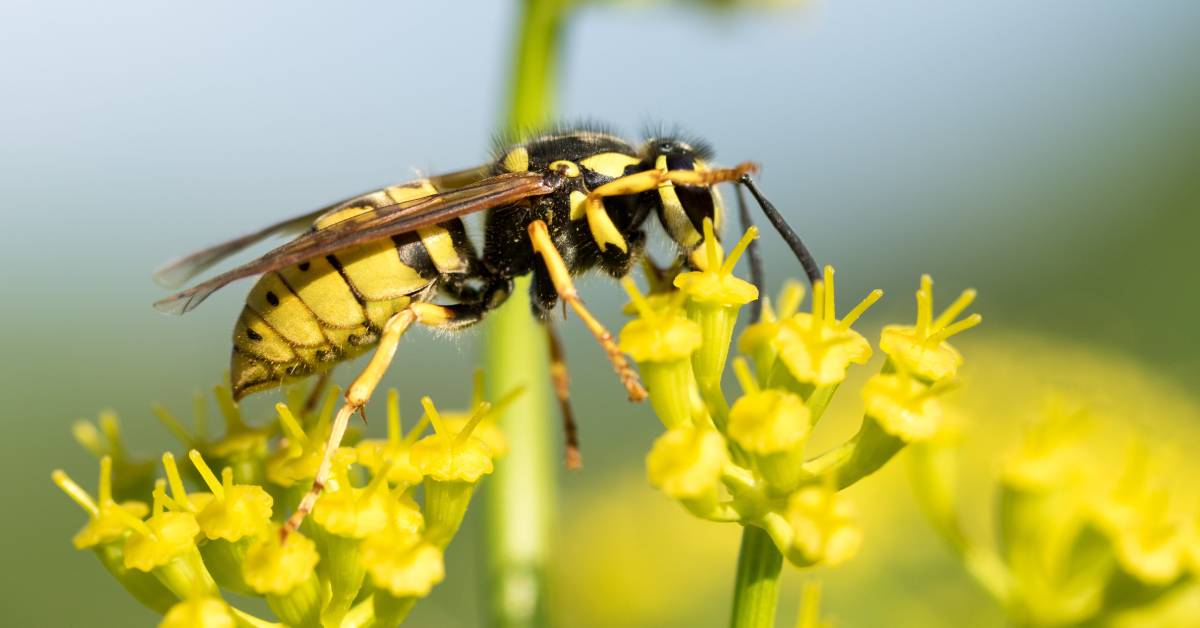
Note: This grouping intentionally excludes honeybees, which tend to be docile and are not destructive to your home.
The Quick Details: Most homeowners assume a yellowjacket, wasp, or hornet nest under the gutter or deck rail is just an inconvenience that might temporarily spoil a backyard barbecue, but they do pose a literal safety issue and can indeed infest and be destructive inside the home.
Creepy-But-True Fact: A hidden wasp or yellowjacket colony inside a wall attic can swell to thousands of insects that will literally chew through your home's fiberglass insulation and drywall to expand their nesting space.
What to Look Out For: Tiny gaps in older vinyl or wood siding that is common in houses in the Northeast, or a discolored spot on an interior wall or ceiling, which they can break out of to infest your living space.
Bonus Round! Bats & Squirrels
When it comes to your attic, you might be looking at bats or squirrels.
Bats: The Little Brown Bat and Big Brown Bat are great neighbors that eat thousands of mosquitoes a night. But if they're in your house instead of in a backyard bird box, they're a pest. Bat waste accumulates rapidly, can destroy attic insulation, and can carry dangerous fungal spores that can lead to severe respiratory illnesses.
Note: It is illegal in New York State to kill bats or disrupt their colony during the summer breeding season when the babies (pups) cannot yet fly; this includes sealing off your home to keep them out when the babies are in. All the more reason to lean on professionals!
Squirrels: They're cute, they're common, and the biggest annoyance with them is typically when they eat bird seeds you've put out for, you know, birds. But as with bats, once they're in the house it's officially pest control time. Just like with mice, their teeth grow constantly, requiring lots of chewing - which can happen with wood, vinyl siding, and other materials. Once inside, they shred insulation for nesting material, destroy HVAC systems, and they can also carry fleas and ticks into the home, which in turn can carry diseases.
Note: You may have experienced squirrels being friendly as they look to you for food while you're enjoying some rays in your backyard, but they can be incredibly aggressive during summer breeding cycles. Let's say it all together - leave it to the professionals!
Why You Shouldn't Handle Pests Alone
While we understand the temptation to head to the hardware store for a can of spray and a DIY attitude, handling a serious pest or wildlife issue on your own can seriously backfire. You can accidentally kill other wildlife or even cause more property damage. Or, something could happen like you sealing up a hole to prevent wildlife getting in, but the mother's babies are trapped inside, and are ready to chew themselves out.
Reputable Albany Area Pest Control Companies
Fortunately, we have several highly rated pest control professionals in the Albany area. One look at their reviews and you'll know you can expect a thorough job with clear communication along the way on what's happening.
Note: All three offer free inspections - you just need to fill out a contact form on their site. If you need help immediately, call instead.
Here's a breakdown on our recommendations:
USX Pest Control
Location: Based in Latham, serves across Capital Region and Western New York
Specialty: Comprehensive pest, rodent, and wildlife management, with an exceptionally strong reputation for heavy-duty mouse eradication and wildlife exclusion.
The Difference: They utilize a meticulous three-step rodent control process: removal, deep cleanup, and permanent exclusion. They also offer services for basement cleanouts, attic restorations, and damage repair. They place a strong emphasis on transparency throughout the process, with clients being able to log in online and view service histories, upcoming appointments, and technician notes.
Hot Tip: You can take $100 off service once you get a free inspection. Limited time only!
Fox Pest Control
Location: Based in Albany, serves up to the Adirondacks
Specialty: General pest and rodent control, with a strong reputation in carpenter ant elimination and stinging insect nest removals.
The Difference: Fox employs a team of Associate- and Board-Certified Entomologists to analyze pest biology, habits, and localized behavior. Every technician undergoes a rigorous screening process, extensive training, and continuous on-the-job mentorship. Their staff is widely recognized in reviews for being knowledgeable, polite, and taking the time to listen to homeowner concerns.
Hot Tip: You can take advantage of $50 off pest control services, or $100 off termites specifically.
Nature's Way Pest Control
Location: Based in Glens Falls, serves the Albany area, Adirondacks, and Western Vermont
Specialty: Eco-friendly, green pest solutions and squirrel exclusions
The Difference: If you're highly concerned about removing your pests in a humane, sustainable way, this is the choice for you. Nature's Way is committed to eliminating pests without harming your family, pets, or environment. They lean on natural, botanical-based products in conjunction with routine inspections and exclusion. They also offer mold removal services, attic cleanouts, and pest control insultation.
Hot Tip: You can take $25 off your initial application.
Frequently Asked Questions (FAQs) on Capital Region Pest Control
Are pests only a problem in older houses? Am I safe from summer pests if I live in a newer home?
While historic homes are naturally at a higher risk due to settling foundations and aging woods, pests can still make their way into newer houses. Whether your home was built in 1895 or 2025, pests will find a way in if they can get in.
What kind of pests are common in houses in Upstate NY?
Mice and carpenter ants are two of the biggest threats, followed by stinging insects, and to a lesser degree, squirrels and bats. It's possible to come across many other critters, though, such as fleas, bed bugs, or raccoons.
At what time of year do I need to worry about pests? Only the summer?
Mice and carpenter ants are year-round, although summer is one of the prime times. Stinging insects are common in the summer. Squirrels can show up in homes between February and April, and also August to October. Bats can look for a living space during May and June, then once summer hits, they start crawling out of the now scorching hot attic to find cooler voids.
I hear scratching in my walls/ceiling. How do I know what it is?
Squirrels are active during the day while mice are nocturnal, but it’s best to bring a professional in before you go investigating! Avoid getting bitten or scratched.
Can I just spray a yellowjacket nest or wasp nest myself?
While there are products for this, tackling a nest yourself can be highly dangerous, with the insects getting quite aggressive. Lean on professionals!
Is it illegal to get rid of bats in the attic in New York State?
It is illegal, because they are protected. You also can’t seal bats out of your house during the summer breeding season. Professionals handle this by performing an “exclusion” - a one-way door that lets them leave safely, but prevents them from returning.
How much structural damage can carpenter ants actually do to a house?
Over time, a lot. Unlike termites, they don’t eat the wood but burrow through it. Their colonies grow slowly and quietly behind your walls and can hollow out structural supports and rooflines for years before they’re noticed.
How do I know if the bug by my deck is a honeybee, or one of the more dangerous stinging insects?
Look for the fuzz! Honeybees have a distinctive fuzz; wasps, hornets, and yellowjackets are more smooth.
If I hire a professional, will they remove the pests in a way that is safe for my family, and humane to the wildlife?
Absolutely! Modern pest control has evolved way past simply spraying (harsh chemicals) and praying. When it comes to larger wildlife like bats, squirrels, or raccoons, the focus shifts to humane exclusion rather than elimination.
What can I do to ensure I don't have pests?
Two main areas of consideration here: Moisture and gaps. Damp wood and miniscule holes in the home are the culprits here. Plumbing leaks should be addressed immediately. Gutters should be kept clean. Trees should be trimmed so they don't touch your roofline, giving you-know-who a direct access.
What should I look out for when it comes to pests in the home?
Walk around the exterior of your home to look for gaps larger than a pencil eraser. Look for damp or discolored spots in the interior walls or ceilings. Take a flashlight and look around your basement and attic about twice a year, keeping an eye out for droppings and insulation that's sagging, tunneled into, or torn up. Look out for unexplained "sawdust" on a floorboard or beneath a window. Other signs of unwanted visitors could be mysterious piles of chewed up or shredded items, smudge marks along baseboards, tiny footprints, and hollow-sounding wood.
🏠 Moving out or into a home? Get an inspection >>
<< Back to the Home Improvement Guide